
Course Duration : 8 MONTHS
Course Fee : 9000
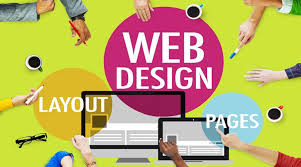
WEB DESIGNING COURSE A web designing course teaches the skills needed to plan, design, and create websites. This includes understanding user experience (UX), user interface (UI), and the technical aspects of building a website, like using HTML, CSS, and JavaScript. Its about creating visually appealing and functional websites that are easy for users to navigate and interact with. Heres a more detailed look: What web designing courses cover: · HTML (Hyper Text Markup Language): The foundation for structuring content on a webpage. · CSS (Cascading Style Sheets): Controls the visual presentation of the website, including colors, fonts, and layout. · JavaScript: Adds interactivity and dynamic features to websites. · User Experience (UX) Design: Focuses on creating a positive user experience by making websites intuitive and easy to use. · User Interface (UI) Design: Deals with the visual elements and how users interact with them on a website. · Web layout and design principles: Covers visual hierarchy, typography, color theory, and other design concepts. · Responsive web design: Ensures websites adapt to different screen sizes and devices. · Website testing and debugging: Includes techniques for identifying and fixing issues in website functionality and design There are the three types of web design? The three most common types of web design are 1.Static 2. Dynamic 3. E-Commerce Static websites are simple and have fixed content, while dynamic sites offer interactivity and personalized user experiences through server-side processing. E-commerce websites are specifically designed for online sales and transactions. Heres a more detailed breakdown: These websites are generally built with HTML and CSS and have a fixed layout and content that doesnt change unless the code is manually updated. They are suitable for simple sites with minimal content that doesnt require frequent updates. Dynamic websites use server-side programming languages like PHP, Python, or Ruby on Rails to generate content on the fly. This allows for features like user logins, personalized content, and database interactions, making them suitable for more complex sites. These websites are built to facilitate online sales and transactions. They typically use specialized platforms and software to handle product listings, shopping carts, payment gateways, and order management.